Religious buildings
Is a religious building a work of art? The answer is both yes and no.
A church, mosque or temple is first of all a place of belief. It is built to serve a spiritual purpose: to gather people, to support rituals and to express devotion. Beauty is often part of that purpose, but it is not the goal in itself.
At the same time, many religious buildings are extraordinary works of architecture. Their proportions, materials, ornamentation and light reveal a deep artistic vision. They can move us aesthetically, even when we do not share the beliefs they represent.
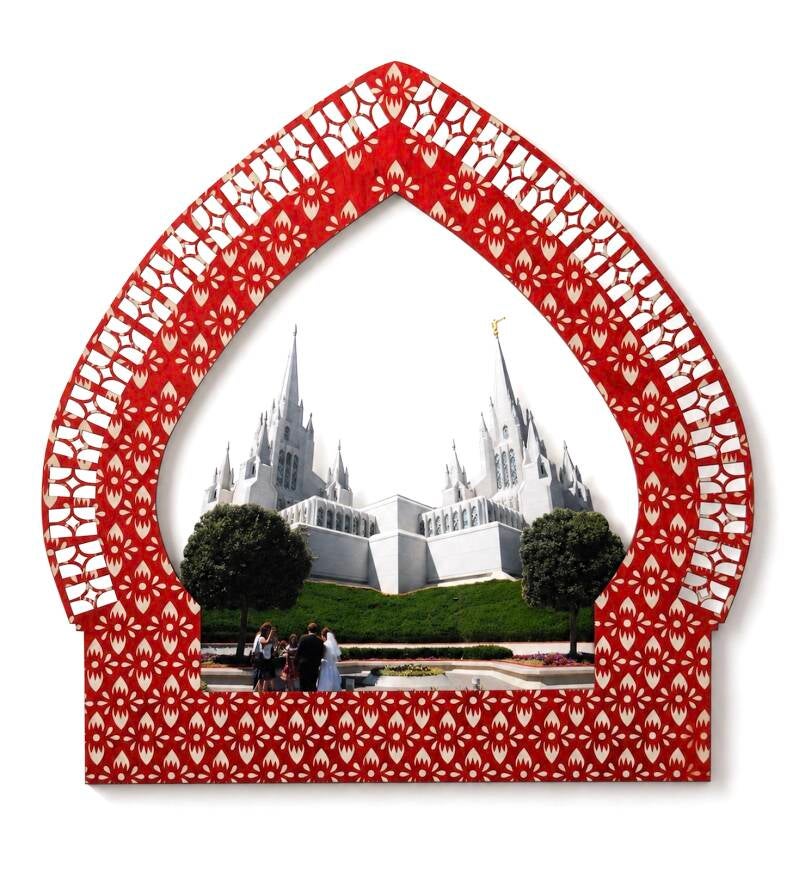
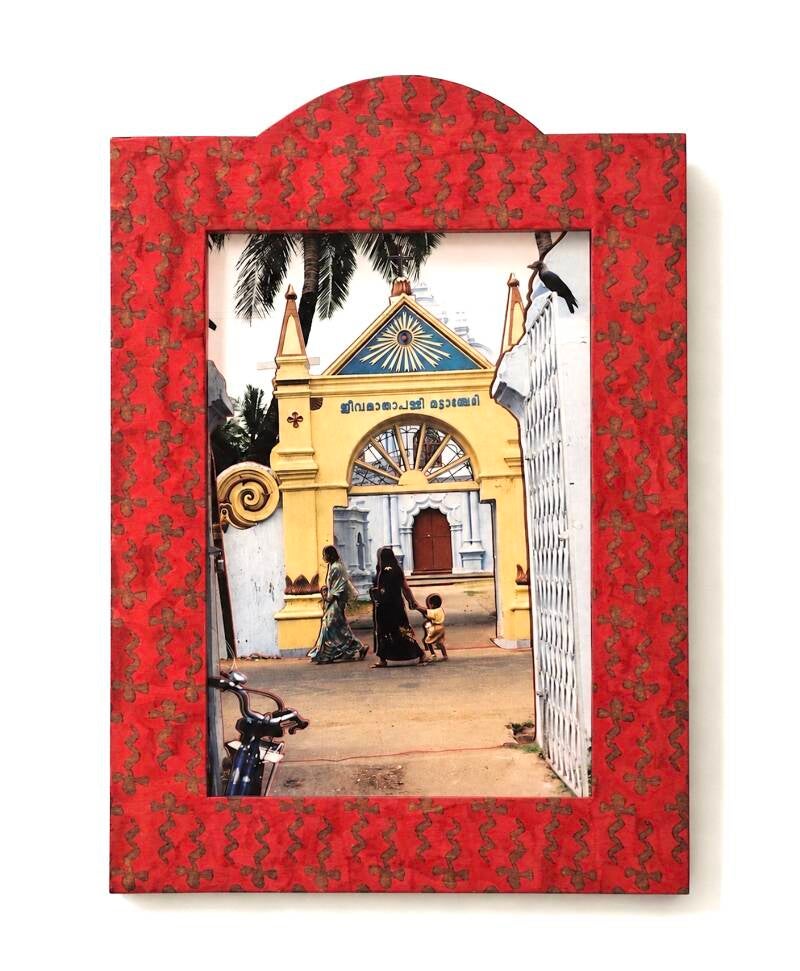
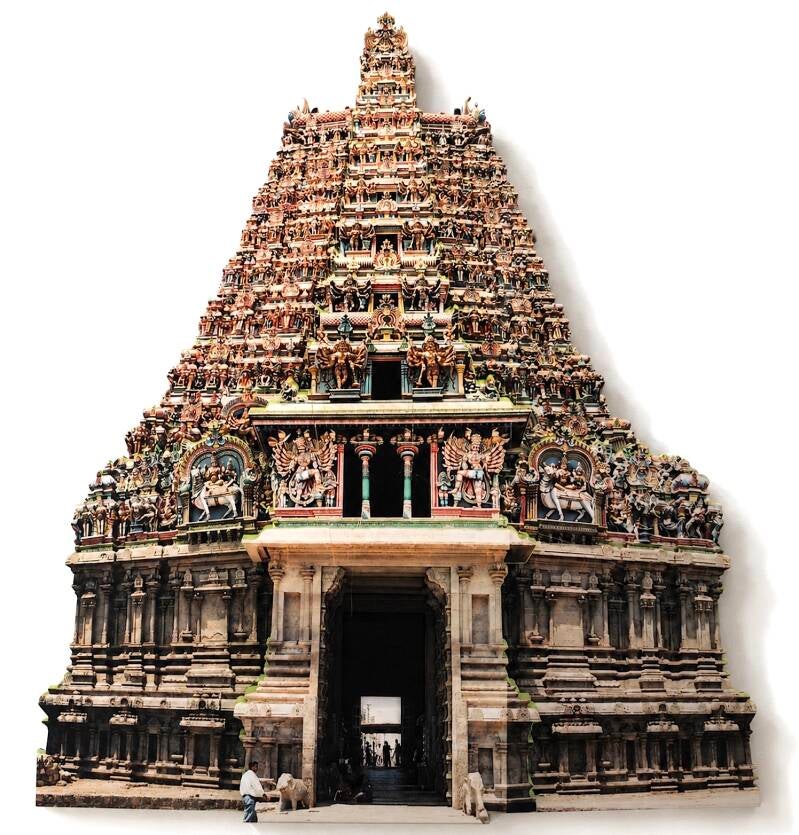
When an artist photographs, cuts apart and recomposes these buildings, something changes. The building is no longer presented as a sacred object but as visual material. Fragments become new forms, meanings shift, and the familiar is transformed into something open to interpretation. The work no longer asks us what we should believe, but what we see, remember and imagine.
In Femke Hoyng’s work, religious architecture becomes a starting point rather than a destination. By cutting and reassembling photographic fragments, she creates new spaces that exist between memory, belief and imagination. The sacred is not reproduced; it is reinterpreted. In that transformation, the building becomes art once again—this time through the artist’s own vision.